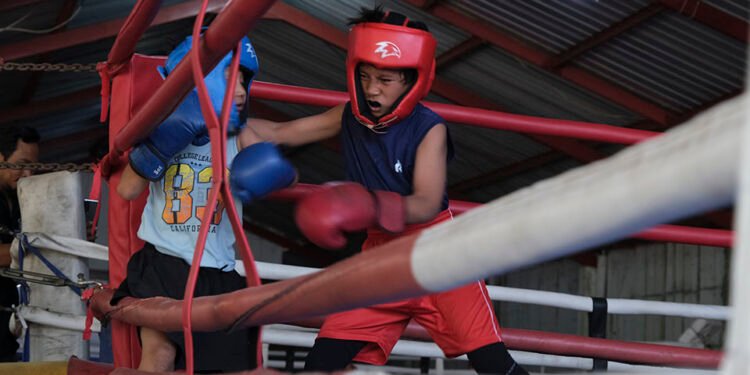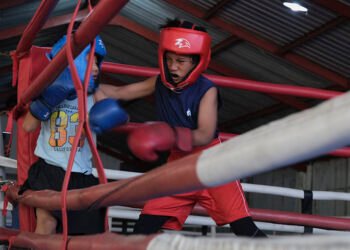

Born to Fight Vol. 2 will bring boxing, kickboxing and MMA competition to Camp HAN Fighting Academy in Colomadu, Karanganyar, on September 6, 2026, with divisions spanning kids to senior athletes. Beyond the bouts, the event highlights the wider structure behind every fighter: the gym, coaches, family and community that shape the long road to the ring.
KARANGANYAR, Indonesia – When a fighter steps into the ring, the audience sees punches, kicks, movement and the final result. What is less visible is the work that began long before the opening bell.
That wider process will frame Born to Fight Vol. 2, scheduled for September 6, 2026, at HAN Fighting Academy in Colomadu, Karanganyar.
Organized by The Arrow Sport Combat Organizer in collaboration with HAN Fighting Academy, the event will feature boxing, kickboxing and MMA competition across kids, junior, youth and senior categories.
For spectators, a bout may last only a few rounds. For the athlete, reaching the ring can require months or years of training supported by coaches, family members, teammates and the surrounding combat community.
The Gym Is Where the Fighter Is Built
The gym is often the first place where an aspiring fighter begins to understand what competition demands.
Athletes repeat techniques until they can execute them under pressure. They build conditioning, correct mistakes and learn to respond to instructions from their coaches.
Progress rarely comes overnight.
Training continues when the body is tired, when a movement still feels unfamiliar and when the same technical problem has to be addressed again. Repetition gradually turns deliberate action into a response that can survive the pace and pressure of competition.
Most spectators never see that process.
They encounter the result when a fighter enters the ring. Yet every combination, defensive movement or tactical adjustment carries the imprint of countless training sessions.
Coaches Shape Decisions Under Pressure
A coach does not compete in the center of the ring, but their influence follows the athlete into every round.
During training, coaches correct technique, build tactical plans and prepare fighters for the problems an opponent may create. At ringside, they have only brief moments between rounds to identify what is happening and communicate the necessary adjustments.
Their role also extends beyond technique.
Physical ability alone is not enough when a contest begins to move in an unexpected direction. An opponent can change tactics. Fatigue can affect timing. A fighter may be forced away from the approach developed during camp.
In those moments, emotional control and decision-making become part of performance.
The ability to remain composed, process information and act under pressure is developed through repeated training. The fighter performs the action, but the coach has often spent weeks helping build the response behind it.
Family Support Extends Beyond Fight Night
A fighter’s development does not stop when training ends.
Outside the gym, family members often carry part of the burden that comes with competition. They accommodate training schedules, travel, preparation and the emotional pressure attached to an individual sport in which the result belongs directly to the athlete.
For younger competitors, that support can be even more important. Access to regular training and events may depend on parents or relatives who provide transportation, time and financial assistance.
The wider combat community also plays a role.
A functioning gym connects fighters with coaches, training partners and people who understand the demands of the sport. Local events then give athletes opportunities to test those skills in an organized competitive setting.
Those contributions do not appear on a fight record, but they remain part of the path that brings an athlete into the ring.
Three Combat Sports, One Competitive Space
Born to Fight Vol. 2 will bring together three different combat disciplines: boxing, kickboxing and MMA.
Boxing centers on punching, defensive movement, positioning and footwork. Kickboxing expands the striking range by adding kicks to offensive and defensive exchanges. MMA introduces another layer through wrestling, takedowns, ground control and submissions alongside striking.
Each ruleset presents a different technical problem.
The underlying demands, however, have common ground. Fighters need concentration, conditioning, discipline and the ability to make decisions while an opponent is actively disrupting their plan.
Training develops those qualities. Competition reveals how well they hold up under pressure.
Young Athletes and Senior Fighters Face Different Tests
With kids, junior, youth and senior divisions on the program, Born to Fight Vol. 2 will bring together competitors at very different stages of development.
For younger athletes, an organized bout can provide an early introduction to competitive pressure.
They learn how to operate within a ruleset, listen to officials, manage pre-fight nerves and accept the outcome once the contest is over. Those experiences can become part of a longer development process rather than a final judgment on ability.
Senior fighters arrive with more years of training and competition behind them, but experience does not remove uncertainty.
Every opponent presents a different problem. Distance changes. Timing changes. Tactical expectations can fail once exchanges begin.
Age and experience separate the divisions. Pressure remains a constant across them.
For a young athlete, the ring can become a place to learn how competition feels. For an experienced fighter, it remains a test of whether years of preparation can still be applied against the opponent standing in front of them.
Spectators See the Rounds, Fighters Live the Process
An audience arrives to watch the visible part of combat sports.
The fighter walks into the competition area, the bell sounds, the rounds unfold and an official result follows.
The athlete’s timeline is much longer.
There are training sessions, technical corrections, conditioning work and periods of fatigue well before fight day. Coaches guide that preparation. Families help make it possible. Training partners provide the resistance required to improve. Gyms give the process a physical home.
A fight, therefore, is never entirely the work of two people meeting in the ring.
An ecosystem stands behind them.
The Ring Becomes a Meeting Point
On September 6, Camp HAN Fighting Academy will become the place where those different parts of the combat community meet.
Fighters will bring the skills developed through training. Coaches will arrive with strategy and experience. Families and teammates will accompany athletes whose preparation they have watched long before the event begins.
The ring is where that work becomes visible.
It is where preparation meets resistance, where technique is tested against another athlete and where decisions have to be made without the comfort of restarting a drill.
The official result matters. It can shape confidence, competitive opportunities and the next stage of an athlete’s development.
But it remains one moment within a much longer process.
More Than the Fight Itself
Born to Fight Vol. 2 also reflects a basic reality of combat sports: fighters are not developed by courage alone.
Gyms provide the training environment. Coaches build skills and tactical awareness. Families sustain support outside the gym. Communities create opportunities for athletes to train, compete and continue developing.
All of those elements come together when the fighter enters the ring.
As the event’s message puts it:
“Di tengah ring, seorang fighter tidak berdiri sendirian; ia membawa latihan, arahan pelatih, dukungan keluarga, dan kekuatan komunitas.”
A fighter may appear to stand alone once the bell sounds, but the journey to that point has involved many people.
The bout itself may last only a few rounds. Building the person capable of competing in those rounds takes considerably longer.
That is where the meaning of the event extends beyond who wins or loses.
The result records what happened in the ring. The fighter’s presence there tells the larger story of everything required to reach it.