Banten is pushing to make pencak silat a mandatory extracurricular activity across schools as the province looks to widen its athlete-development pipeline. The proposal comes as Banten prepares representatives for regional and world-level competition later this year.
SERANG, Indonesia — Banten Deputy Governor Achmad Dimyati Natakusumah has called for pencak silat to become a mandatory extracurricular activity across all levels of education as the provincial government seeks to strengthen the pipeline for competitive athletes.
Dimyati made the proposal after opening the Indonesia Pencak Silat Banten Championship 2026 at Gelanggang Remaja Kota Serang on Friday. He said athlete development should begin earlier and continue through structured training under the sport’s governing bodies.
“Saya meminta agar pencak silat ini menjadi ekstrakurikuler wajib di sekolah-sekolah untuk seluruh jenjang pendidikan,” kata Dimyati usai membuka Indonesia Pencak Silat Banten Championship 2026 di Gelanggang Remaja Kota Serang.
The proposal would place pencak silat within school extracurricular programs from the earliest education levels, creating a wider recruitment base before promising practitioners enter formal competition pathways.


Dimyati also urged sporting organizations to intensify technical development for athletes already competing at provincial, national and international levels.
Banten Athletes Set for Vietnam and Uzbekistan
The push comes as Banten prepares several athletes for international competition during the final months of 2026.
In September, pencak silat representatives from the province are scheduled to compete for Indonesia at the fifth Southeast Asian Pencak Silat Championship in Vietnam.
Five Banten athletes are also expected to enter Indonesia’s national selection process for places at the World Pencak Silat Championship in Uzbekistan in November.
Those assignments follow results recorded by the province over the previous two years. In 2024, Banten’s men’s doubles team won its division at a world championship in Abu Dhabi. Athletes from the province have also collected titles at the elementary and junior-high-school levels of Indonesia’s O2SN student competition.
For the provincial government, those results strengthen the case for connecting school participation with a longer athlete-development structure rather than relying solely on competitors who have already entered established clubs or training centers.
IPSI Banten Seeks Broader Support
Banten chapter chairman of the Indonesian Pencak Silat Association, or IPSI, Ajat Sudrajat said the organization intends to maintain regular competition as part of that development process.
One of its approaches is to stage smaller tournaments twice each month, giving athletes more opportunities to compete and providing coaches with a recurring environment in which to assess progress.
Ajat, however, said the available athlete pool requires support beyond IPSI’s own resources.
“Bibit-bibit atlet berprestasi kita itu cukup banyak, dan ini perlu dukungan dari berbagai pihak, termasuk Pemprov Banten,” ujar Ajat.
His comments point to a recurring issue in regional athlete development: identifying talent is only one part of the system. Competition expenses, coaching, travel, preparation camps and access to higher-level events also require sustained financing.
For athletes progressing toward national selection or international tournaments, those costs become more significant as the standard of competition rises.
Banten Championship Draws 1,154 Participants
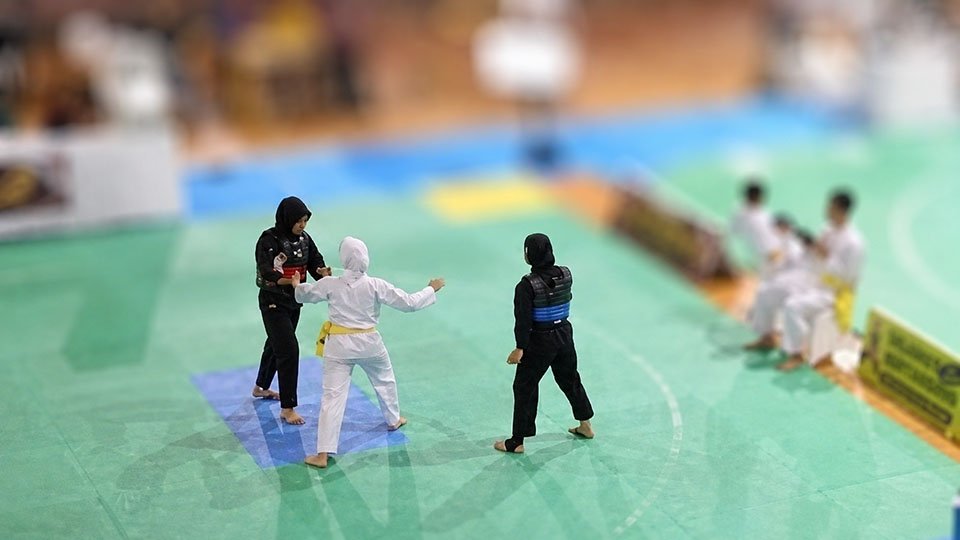
The Indonesia Pencak Silat Banten Championship 2026 is serving as both a competitive event and a talent-identification platform.
Scheduled from August 28 to 30 in Serang, the tournament has attracted contingents from 15 provinces. Organizers reported 1,154 participants ranging from five to 35 years old.
That range places young beginners, developing competitors and adult practitioners inside the same broader event structure, while giving coaches and officials an opportunity to identify athletes who could move into more demanding competition.
For Banten, the immediate test will come after the championship ends. The province already has athletes moving toward Vietnam, national selection and a possible world championship appearance in Uzbekistan. Dimyati’s school proposal would extend the development question further back, toward how early potential athletes enter the system and how consistently they can be trained.
Whether mandatory pencak silat extracurricular programs are ultimately adopted across Banten schools will depend on how the provincial government translates the proposal into education policy. The stated direction, however, links school participation with the province’s broader attempt to build a deeper competitive base rather than treating international results as isolated achievements.